English
 Russian
 Spanish
 Arabic

 Agricultural Materials
 Ceramics Materials
 Electronic Materials
 Metallurgy Materials
 New Energy Materials
 Petrochemical Materials
 Surface Treatment
 Other Materials






New Energy Materials
New Energy Materials refer to newly developed or under-developed materials with superior performance, mainly superconducting materials, solar cell materials, hydrogen storage materials, solid oxide battery materials, intelligent materials, magnetic materials, nanomaterials, etc.
Compared with traditional energy, new energy has many advantages, such as less pollution and sufficient reserves. More importantly, it has more excellent product performance than conventional materials. New energy chemicals are the key to realizing the conversion and utilization of new energy and developing new energy technology. Solving today’s severe environmental pollution problems and resource (especially fossil energy) depletion problems is significant. Therefore, the new energy material market is developing rapidly with the release of new energy industry demand.
The world’s renewable resources and fossil energy will be threatened to varying degrees in the next few decades. As forward-looking scientists and some excellent companies, they are already developing, manufacturing, and executing new vital projects, such as new energy vehicles.
New energy is the general trend and our responsibility. Toplus keeps up with the development trend of the international market and develops high-quality products with strong market competitiveness. Toplus provides global customers with excellent new energy materials, such as Lithium, Nickel, and Cobalt series products.
| Product name | Molecular Formula | Cas No. | Synonym | ||
|---|---|---|---|---|---|
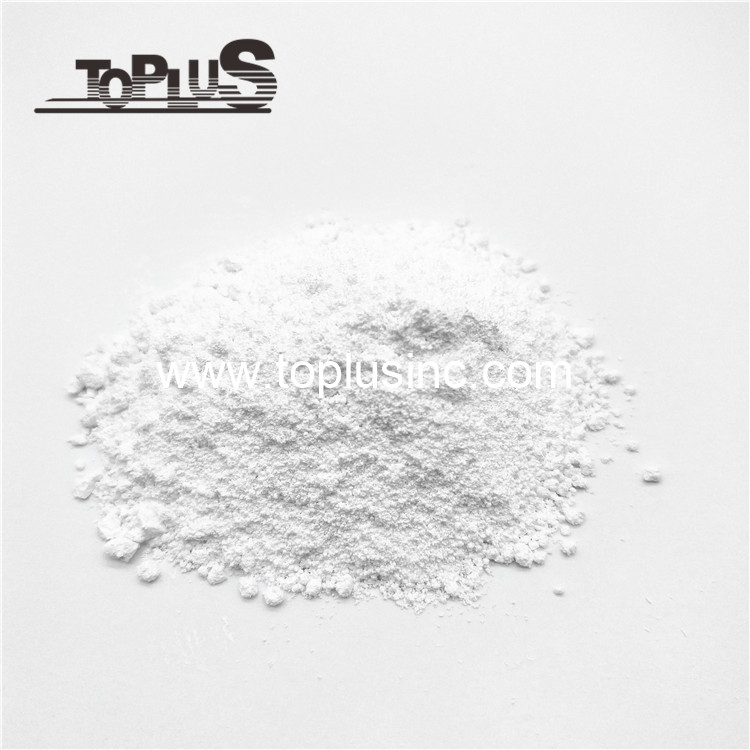 | Strontium Carbonate Glass Use | SrCO3 | 1633-05-2 | Strontium Carbonate, Strontium Carbonate (SrCO3), Strontium Monocarbonate, Carbonic Acid Strontium Salt, etc. | |
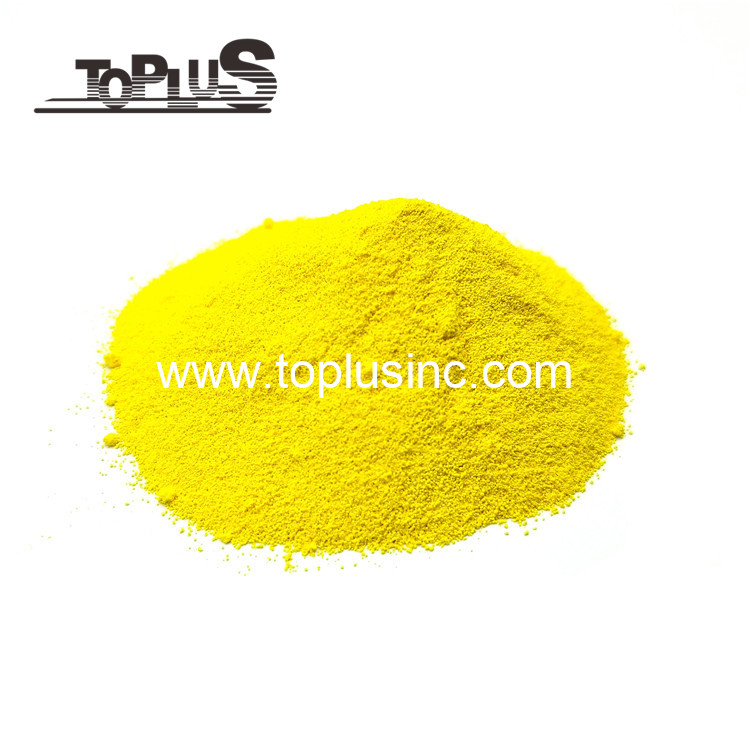 | Bismuth Yellow | BiVO4 | 14059-33-7 | Bismuth Yellow, Bismuth Vanadium Oxide, Bismuth Vanadate Yellow, Bismuth Orthovanadate, Pigment Yellow 184, etc. | |
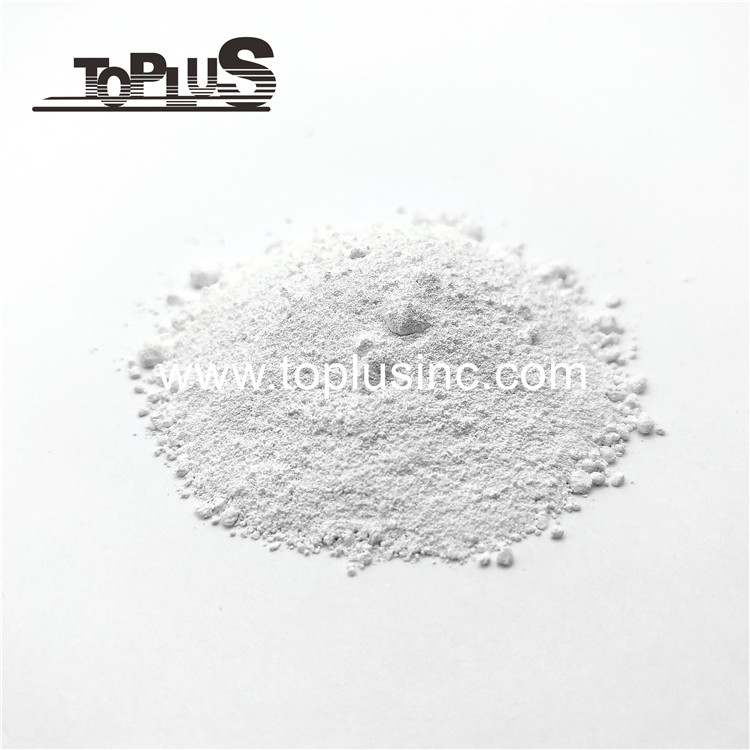 | Dysprosium Oxide | Dy₂O₃ | 1308-87-8 | Dysprosium Oxide, Dy2O3, Dysprosium III Oxide, etc. | |
 | Pharmaceutical Grade Xanthan Gum | C35H49O29 | 11138-66-2 | / | |
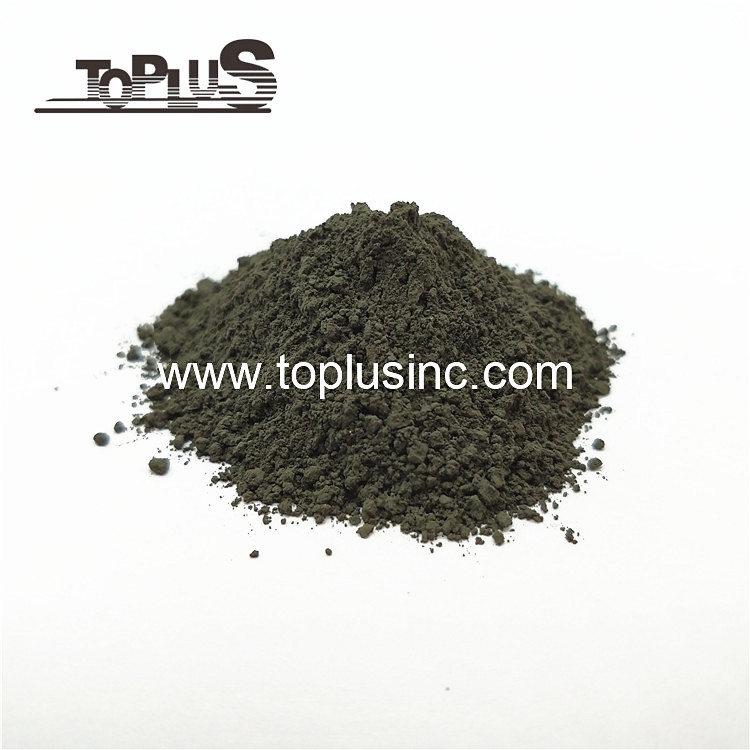 | Nickel Oxide | Ni2O3 | 1313-99-1 | Nickel Oxide, NiO, Nickelous Oxide, Nickel II Oxide, Nickel monooxide, etc. | |
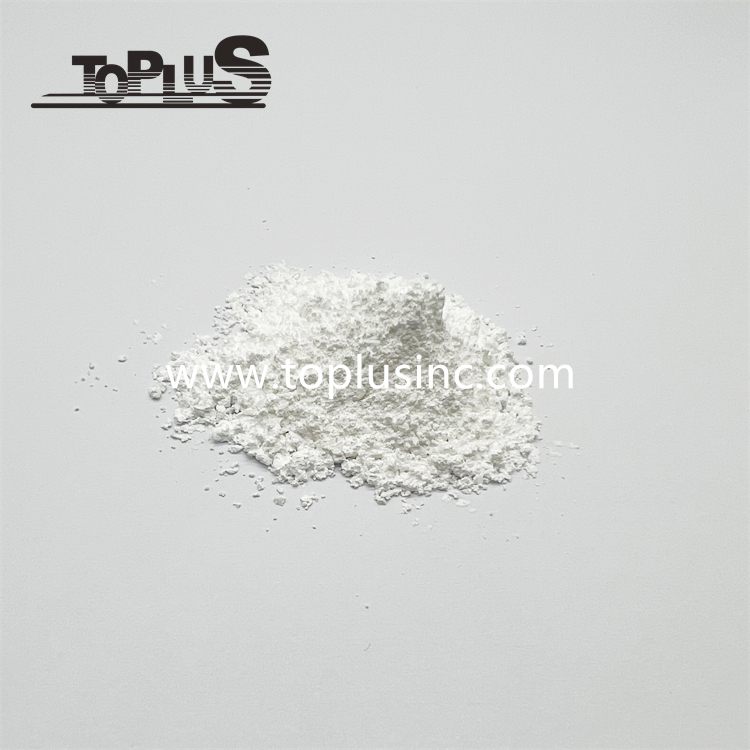 | Glass Use Lanthanum Oxide | La2O3 | 1312-81-8 | La2O3, Lanthanum Sesquioxide, Lanthanum Trioxide, Dilanthanum Trioxide, etc. | |
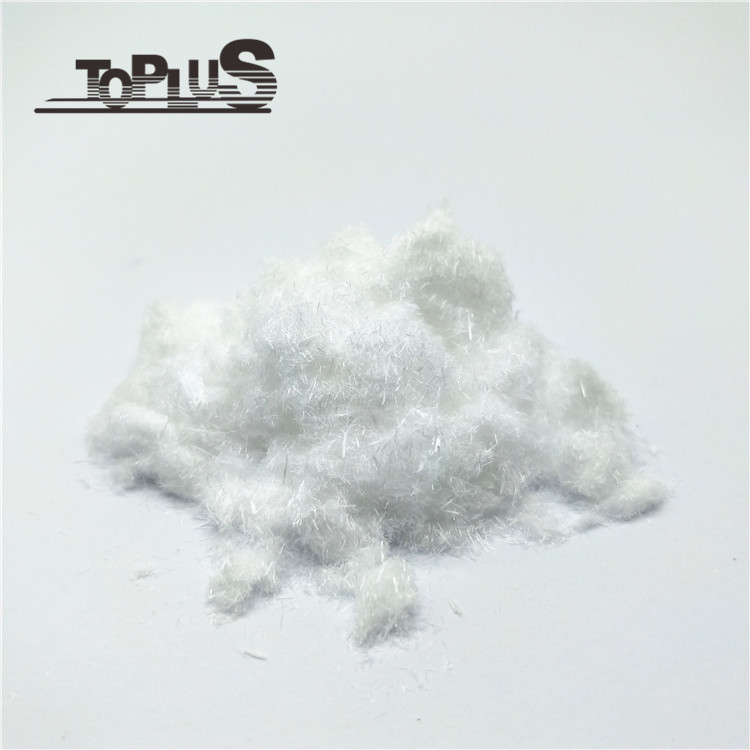 | BTA | C6H5N3 | 95-14-7 | BTA, BTZ, 1,2,3-Benzotriazole, 1H-1,2,3-Benzotriazole, 1H-Benzotriazole, BtaH, etc. | |
|
| Xanthan Gum | C35H49O29 | 11138-66-2 | / | |
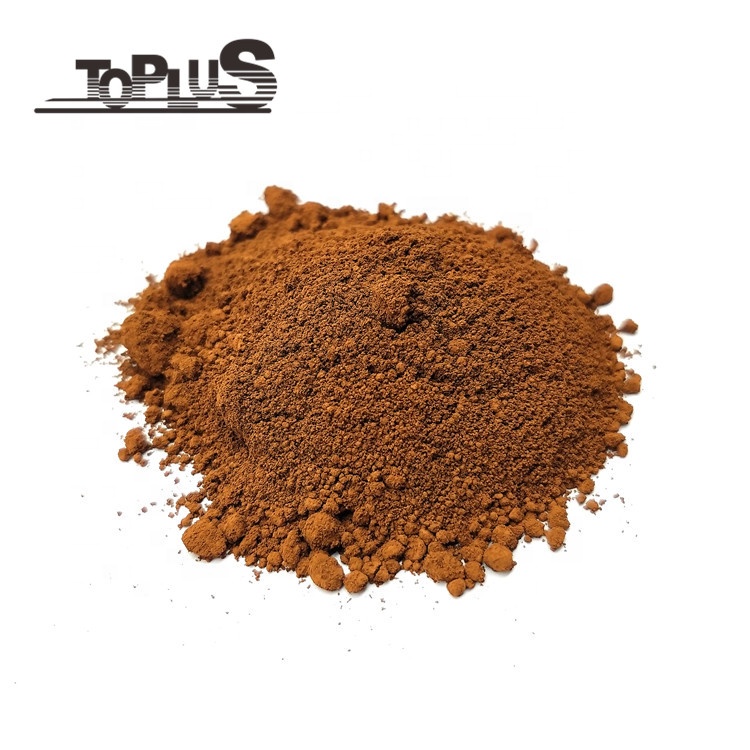 | Sodium Lignosulfonate | / | 8061-51-6 | Lignosulfonic Acid Sodium Salt, etc. | |
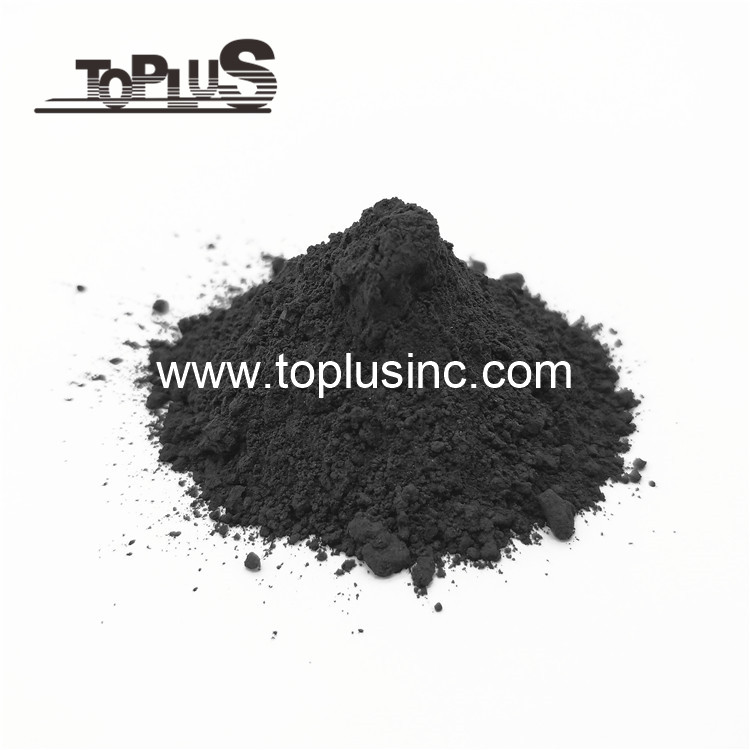 | Nickelous Oxide | Ni2O3 | 1313-99-1 | Nickel Oxide, NiO, Nickelous Oxide, Nickel II Oxide, Nickel monooxide, etc. | |
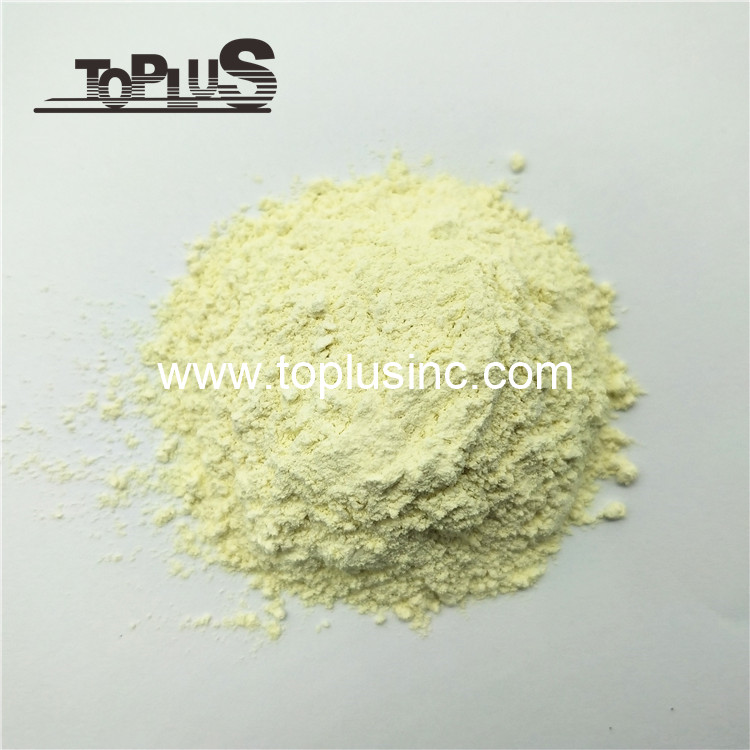 | Cerium Oxide Powder | CeO2 | 1306-38-3 | Cerium Oxide, CeO2, Cerium Dioxide, Ceric Oxide, Cerium IV Oxide, Cerium Dioxide CeO2,etc |